by Dániel Pap, Amine A. Sebai, Everald McLennon, Stephen D. Baluch, Gordon B. Jones, David R. Gang, Bonny Jo Peterson, Jeffrey Steiner, E. Charles Brummer
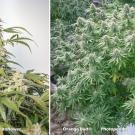
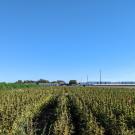
In 2025, coordinated field trials evaluated the agronomic performance of selected Cannabis sativa L. cultivars for fiber and grain production across diverse environments in the western United States.
The three main biotypes of hemp are; grain/seed, fiber or CBD type for chemical extraction. This determines what kind of equipment needs to be purchased, labor needed, nutritional requirements, pest management, etc.
The UC Cooperative Extension is hosting the first Industrial Hemp Field Day at UC Davis on Thursday Sept. 22nd 2022. Registration for the free event will start at 7:30 a.m.
Join us for speeches from 8:00 to noon.
We will cover an array of topics including; choosing varieties, irrigating and fertilizing your crop, hemp pests, weed management, plant pathogens, integrated pest management strategies, California hemp laws and regulations.
The fungi that cause powdery mildew on hemp in the Pacific Northwest include Golovinomyces ambrosiae (G. ambrosiae) and Podosphaera macularis(P. macularis). During 2018 and 2019, western Oregon greenhouse hemp growers reported powdery mildew on leaves and buds of several hemp cultivars and the powdery mildew fungus was identified as G. ambrosiae.
Hemp (Cannabis sativa L.) is susceptible to fungal pathogens that incite powdery mildew.
The corn earworm (Helicoverpa zea) is a serious insect pest of outdoor hemp grown for smokable flower and CBD production in Oregon. The corn earworm occurs across North America, except in Alaska and northern Canada. It goes by many common names based on the crop where it inflicts economic loss, such as corn earworm in corn, soybean podworm in soybean, and cotton bollworm in cotton.
Fig. 1: As of the end of June, more than 75% of the West is experiencing drought. Water shortage will limit the production of many crops including hemp.
The hemp biomass left over after extraction for cannabinoids (spent hemp biomass; SHB) shows potential as a livestock feedstuff. Byproduct feedstuffs are attractive to livestock producers, as they often cost less than traditional livestock feeds such as corn (in silage or grain form). Of course, byproduct feedstuffs also need to contribute nutrients to the diet.
Hemp (Cannabis sativa L.) is susceptible to fungal plant pathogens that induce wilt disease. The fungi that may cause wilt diseases on hemp include Fusariumand Verticillium species. The strains of Fusarium that incite hemp wilt are Fusariumoxysporum f. sp. cannabis and F.oxysporum f. sp. vasinfectum. Between these two wilt strains, F.oxysporum f.